
Have you ever wondered what the Bible has to say about the practice of Voodoo? In a world where various belief systems and practices intersect, it can be enlightening to explore how the teachings of the Bible address topics such as this. Understanding the perspective of Christianity on Voodoo can provide clarity and guidance for those seeking to align their beliefs with biblical principles.
In this blog post, we will delve into the scriptures to uncover what the Bible says about Voodoo. By gaining insight into this topic, readers can deepen their understanding of the Christian faith and how it relates to other spiritual practices. Join us on this exploration of biblical teachings and discover the wisdom and insights that can be gleaned from examining the intersection of Christianity and Voodoo.
Unveiling the Biblical Perspective on Voodoo Practices
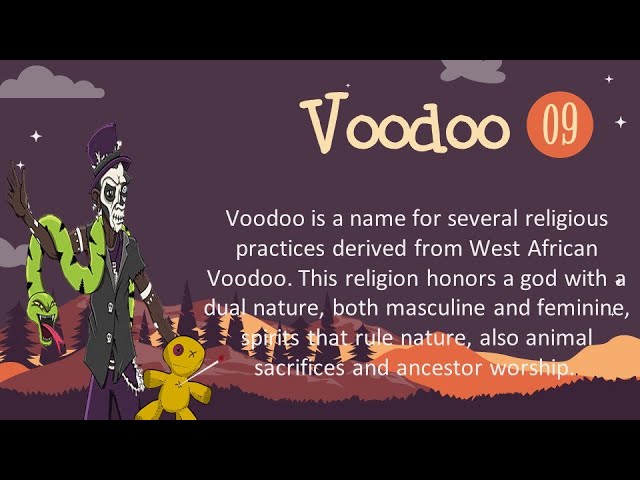
Voodoo, also spelled Vodou or Vodun, is a religion that originates from West Africa and the Caribbean. It encompasses a belief in a supreme creator, spirits, and ancestors, as well as the practice of rituals and ceremonies to communicate with these spiritual entities. The question of what the Bible says about Voodoo is complex, as the Bible does not specifically mention Voodoo as a distinct religion. However, there are passages in the Bible that touch on themes related to Voodoo practices and beliefs.
One of the key concerns that arise when considering the compatibility of Voodoo with the Bible is the prohibition against idolatry. In many Voodoo traditions, practitioners may use talismans, statues, or other objects as representations of spiritual beings or forces. This practice can be seen as akin to idol worship, which is strongly condemned in the Bible. For example, Exodus 20:4-5 states, “You shall not make for yourself an image in the form of anything in heaven above or on the earth beneath or in the waters below. You shall not bow down to them or worship them.” This commandment highlights the importance of worshipping God alone and avoiding the worship of created beings or objects.
Additionally, some Voodoo practices involve communication with spirits or ancestors, often through rituals such as trance, dancing, or offerings. This aspect of Voodoo may conflict with biblical teachings that warn against seeking guidance or knowledge from mediums or spiritists. Leviticus 19:31 cautions, “Do not turn to mediums or seek out spiritists, for you will be defiled by them. I am the Lord your God.” This verse underscores the danger of engaging in occult practices that involve communication with spiritual entities other than God.
Furthermore, the emphasis on rituals, spells, and charms in Voodoo can raise concerns about the source of power and authority behind these practices. The Bible teaches that true power and authority come from God alone, and seeking supernatural assistance from any other source is considered rebellion against God’s sovereignty. Acts 8:9-11 recounts the story of Simon the Sorcerer, who practiced magic and amazed people with his sorcery until he encountered the power of the Holy Spirit through the apostles. This passage illustrates the contrast between worldly magic and God’s divine power.
In conclusion, while the Bible does not explicitly address Voodoo as a specific religious system, its teachings on idolatry, communication with spirits, and reliance on supernatural powers offer insights into how Christians may view Voodoo practices. The emphasis on worshipping God alone, avoiding occult practices, and seeking divine guidance align with biblical principles that encourage believers to place their trust in God’s sovereign authority. Ultimately, the decision to engage with Voodoo or any other spiritual practice should be guided by a discerning understanding of God’s word and a commitment to honoring Him above all else.
What does the Bible say about witchcraft and Voodoo?
In the Bible, the practice of witchcraft and sorcery is explicitly condemned. In Deuteronomy 18:10-12 (NIV), it states, “Let no one be found among you who sacrifices their son or daughter in the fire, who practices divination or sorcery, interprets omens, engages in witchcraft, or casts spells, or who is a medium or spiritist or who consults the dead. Anyone who does these things is detestable to the Lord.”
Similarly, in Galatians 5:19-21 (NIV), witchcraft is listed as one of the acts of the flesh, along with other sinful behaviors. The Bible warns against participating in any form of witchcraft or sorcery, as it goes against the teachings of God and can lead people away from Him.
Regarding Voodoo, although not specifically mentioned in the Bible, the practice of Voodoo involves elements of witchcraft, sorcery, and spiritual rituals that are incompatible with Christian beliefs. Christians are encouraged to stay away from any form of occult practices and instead focus on a relationship with God based on faith and obedience to His word.
What do Christians think of Voodoo?
Christians generally view Voodoo with great caution and skepticism due to its association with occult practices, spirit possession, and use of charms or talismans. The Bible teaches that believers should not engage in activities that involve communicating with spirits or seeking supernatural power outside of God. Therefore, many Christians consider Voodoo to be incompatible with their faith and may view it as spiritually harmful or even demonic. It is important for Christians to discern and avoid any practices that go against the teachings of the Bible.
What is the sin of witchcraft in the Bible?
In the Bible, the sin of witchcraft is strongly condemned. Witchcraft is considered a form of rebellion against God’s authority and an attempt to gain power and knowledge through means other than God.
One of the key passages that addresses witchcraft is found in 1 Samuel 15:23, where it says, “For rebellion is as the sin of witchcraft, and stubbornness is as iniquity and idolatry.” This verse equates rebellion with witchcraft, highlighting the seriousness of both sins in the eyes of God.
Additionally, in Galatians 5:20, witchcraft is listed as one of the works of the flesh, along with other sinful behaviors such as idolatry and sorcery. The Greek word used for witchcraft in this passage is “pharmakeia,” which refers to the use of drugs or potions for magical purposes.
Overall, the Bible warns against engaging in witchcraft and similar occult practices, emphasizing the importance of seeking guidance and power from God alone.
Does Voodoo exist in the Bible?
Voodoo, also known as Vodou or Vodun, is not explicitly mentioned in the Bible. The practice of Voodoo originates from West African spiritual traditions and beliefs, and it is more commonly associated with Haitian culture. In the Bible, God strictly forbids the practice of witchcraft, divination, and other occult activities. Deuteronomy 18:10-12 states, “There shall not be found among you anyone who… practices witchcraft, or a soothsayer, or one who interprets omens, or a sorcerer, or one who conjures spells, or a medium, or a spiritist, or one who calls up the dead.” Therefore, Voodoo would be considered incompatible with Biblical teachings.