Have you ever come across the mention of a strange-sounding animal in the Bible called a “hyrax”? If you’re curious about what this creature is and why it appears in the biblical texts, you’re in the right place. In this blog post, we will delve into the significance of the hyrax in the Bible and explore its symbolic meaning, shedding light on this fascinating but often overlooked aspect of scripture.
By understanding the context and meaning behind the mention of hyraxes in the Bible, readers can deepen their knowledge of biblical symbolism and gain a new perspective on familiar passages. Whether you’re a long-time Bible reader or someone seeking to expand your understanding of scripture, exploring the concept of the hyrax in the Bible can offer valuable insights and enrich your spiritual journey. Join us on this exploration as we uncover the hidden meanings behind the hyrax in the Bible.
Unveiling the Biblical Significance of the Hyrax
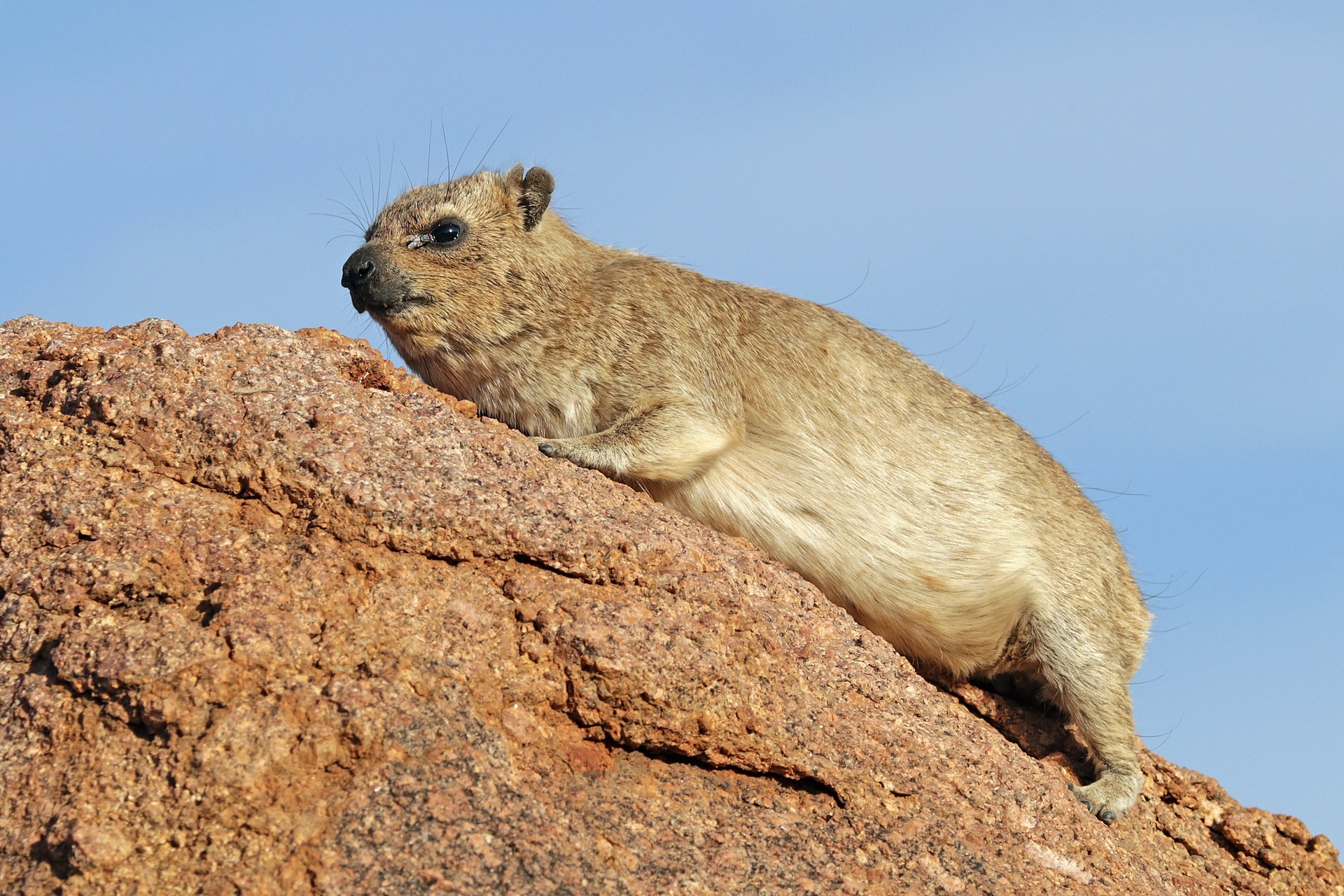
In the Bible, the term “hyrax” is mentioned in the Book of Leviticus, specifically in Leviticus 11:5 and Deuteronomy 14:7. The hyrax is also known as the rock badger, coneys, or dassies. These small mammals are found in rocky terrains in the Middle East and Africa.
The inclusion of the hyrax in the list of animals designated as unclean for consumption under Mosaic law leads to interesting discussions among scholars and theologians. The hyrax is considered unclean due to the fact that it does not chew the cud, despite having a similar appearance to some clean animals.
The Hebrew term used for the hyrax is “shaphan,” which refers to a creature that dwells in the rocks. This characteristic aligns with the behavior of hyraxes, as they are known to seek shelter in rocky crevices for protection from predators.
Some scholars also suggest that the mention of the hyrax in Leviticus and Deuteronomy serves a symbolic purpose. The hyrax’s habit of living in rocky terrain can be seen as a metaphor for spiritual truths, highlighting the importance of seeking refuge in God in times of trouble and relying on Him for protection.
Overall, the mention of the hyrax in the Bible may seem like a minor detail, but it offers valuable insights into the cultural and natural context of the biblical world. The inclusion of specific animals in the dietary laws of the Israelites serves as a reminder of the importance of obedience to God’s commands and the significance of symbolism and metaphors in biblical text.
What does the hyrax mean in the Bible?
In the Bible, the hyrax is mentioned in the Old Testament in Leviticus 11:5 and Deuteronomy 14:7 as one of the animals that is considered unclean and not to be eaten. The hyrax is also known as a rock badger or coney, and it is a small mammal that resembles a rabbit but is not related to it. The exact reason for why the hyrax is considered unclean in the Bible is not explicitly stated, but it is likely due to the dietary laws and cultural practices of the time.
What kind of animal is a hyrax?
In the Bible, the hyrax is referred to in the book of Leviticus 11:5-6 as one of the animals that is considered unclean for consumption. The hyrax is a small mammal that resembles a rodent, but it is actually more closely related to elephants and manatees. It is also known as a rock badger or a coney.
Why are hyraxes considered unholy?
In the context of the Bible, hyraxes are not considered unholy. However, they are mentioned in the Book of Leviticus as one of the animals that are considered unclean. Leviticus 11:4-8 lists a number of animals, including hyraxes, that the Israelites were not allowed to eat or touch because they did not meet the criteria for purity set forth in the Mosaic law. This classification as unclean had more to do with the characteristics of the animal rather than any inherent spiritual connotation. It is important to note that these laws were specific to the Israelites and their religious practices at that time, and do not carry the same significance in modern Christian theology.
Why is hyrax special?
In the Bible, the hyrax is mentioned in the book of Proverbs 30:26, where it is noted for being a creature of little strength, yet it makes its home in the crags. This reference is important because it symbolizes the idea that even though the hyrax may be small and seemingly insignificant, it is strong enough to find refuge in the rocky cliffs. This serves as a reminder of the wisdom and resourcefulness that can be found in unexpected places, urging readers to look beyond appearances and value inner strength and resilience.
Why do hyrax stick their tongues out?
In the Bible, the behavior of hyraxes sticking out their tongues is mentioned in Psalm 104:18 which states, “The high mountains are for the wild goats; the rocks are a refuge for the hyrax“. The image of the hyrax sticking out its tongue is used metaphorically to demonstrate God’s provision and care for all creatures, no matter how small or seemingly insignificant they may be. Just as the hyrax** finds refuge and sustenance in the rocks, so too does God provide for all his creation.