
Have you ever come across the term “kine” in the Bible and wondered what it meant? In this blog post, we will delve into the significance of the word “kine” in the biblical context and explore its deeper meanings. Understanding the usage of this word can provide us with valuable insights into the cultural and historical background of the scriptures, enriching our interpretation of the biblical narratives.
Exploring the concept of “kine” in the Bible can help us gain a more profound understanding of the livestock mentioned in various passages. By unraveling the layers of this term, we can uncover hidden symbolism and metaphorical representations that add depth and richness to the biblical stories. Join us as we unravel the mystery behind the term “kine” and unlock its significance in the sacred text.
Exploring the Meaning of ‘Kine’ in the Bible: Understanding its Significance and Interpretation
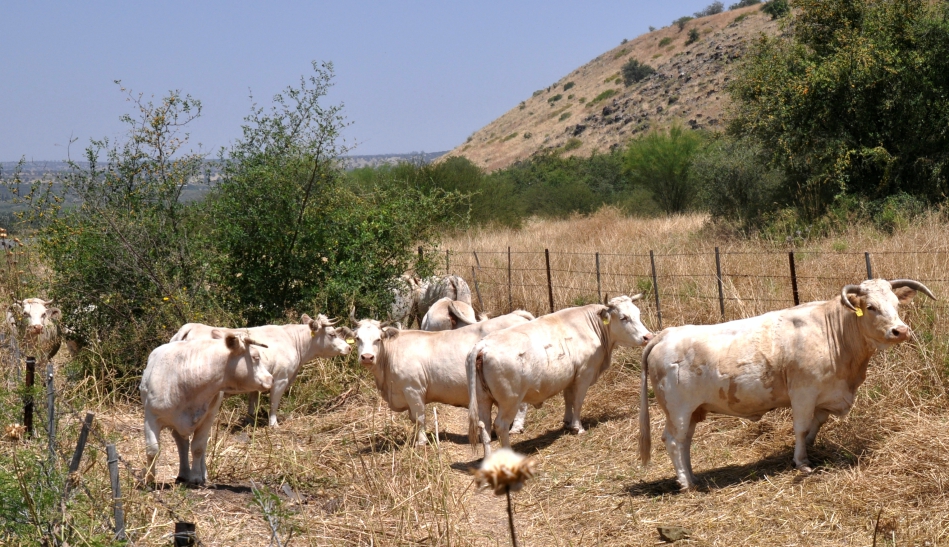
In the Bible, the term “kine” is used to refer to domesticated animals, specifically cows or cattle. The word “kine” is an archaic plural form of “cow” that was commonly used in older English translations of the Bible, such as the King James Version. In modern English, we would simply refer to these animals as cows or cattle.
The mention of kine in the Bible can be found in various contexts, including agricultural practices, sacrificial offerings, and symbolic or metaphorical references. For example, in the story of Pharaoh’s dream in the Book of Genesis, kine are used as symbols representing fertility and abundance. Pharaoh dreams of seven fat kine being consumed by seven lean kine, which Joseph interprets as seven years of plenty followed by seven years of famine.
Kine are also mentioned in the context of sacrificial offerings in the Old Testament. In Leviticus and Numbers, specific instructions are given for offering kine as burnt offerings or peace offerings to the Lord. These offerings were meant to atone for sins or express gratitude to God.
Additionally, kine are sometimes used metaphorically in the Bible to represent strength, prosperity, or even stubbornness. In the Book of Isaiah, for example, the prophet uses the imagery of kine to illustrate how the people of Israel have strayed from God’s ways and need to return to Him.
Overall, while the term “kine” may not be commonly used in modern English, its presence in the Bible serves to enrich our understanding of the cultural and agricultural practices of ancient times, as well as deeper symbolic meanings attributed to domesticated animals like cows. The use of kine in the Bible highlights the significance of livestock in the lives of biblical characters and the importance of animals in religious rituals and symbolism.
What does the word kine mean in the Bible?
In the Bible, the word “kine” is an older term that refers to cows or cattle. It is used in some older English translations, such as the King James Version, to describe domesticated bovine animals. So when you come across the word “kine” in the Bible, you can understand it as referring to cows or cattle.
Why are cows called kine?
Cows are referred to as “kine” in the Bible because it is an archaic term that was commonly used in older English translations to describe cattle. The word “kine” is a plural form of “cow” and is used in the Bible to denote domesticated animals, specifically cows used for sacrifice or as a symbol of wealth in ancient Hebrew culture. In biblical times, kine were often seen as valuable possessions and were frequently mentioned in stories and rituals. Today, the term “kine” is not commonly used in modern English and has largely been replaced by the more familiar term “cattle.”
What animal is called a kine?
In the context of the Bible, the animal called a kine is a cow or cattle.
What happened to akin in the Bible?
In the Bible, Akin was a man from the tribe of Judah who disobeyed the command of God by taking items from the city of Jericho when the Israelites were commanded to destroy everything. As a result of his disobedience, the Israelites were defeated in battle against the city of Ai. After an investigation, Joshua discovered that Akin had taken forbidden items and as a consequence, Akin and his family were stoned to death and their bodies were burned. This event serves as a warning about the consequences of disobeying God’s commands.