
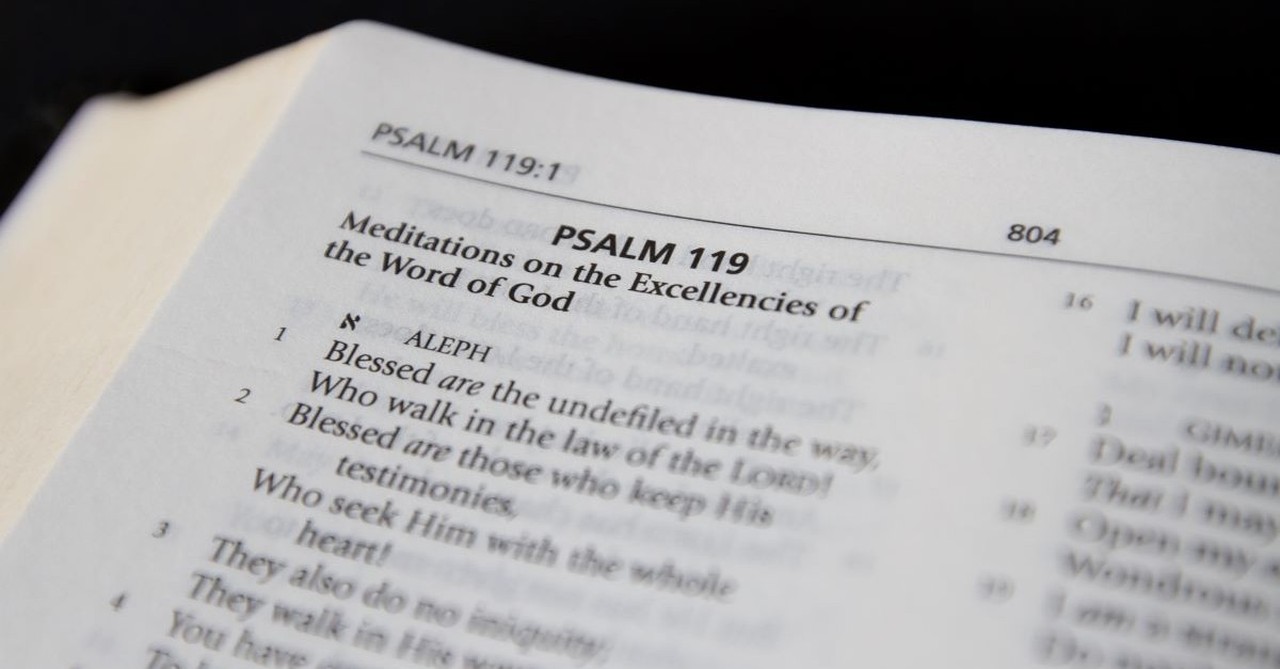
Have you ever wondered what the longest Psalm in the Bible is? In this blog post, we will explore the significance and beauty of Psalm 119, the longest chapter in the Book of Psalms. This powerful and poetic piece of scripture offers readers a deep dive into the importance of God’s word and the impact it can have on our lives.
Psalm 119 is not only the longest Psalm in the Bible but also one of the most profound. Through its 176 verses, this chapter delves into themes of obedience, meditation, and the transformative power of God’s teachings. By understanding the depth and richness of Psalm 119, readers can gain a renewed appreciation for the wisdom and guidance found in the Word of God. Join us as we uncover the treasures hidden within this remarkable chapter and discover how it can inspire and uplift us in our daily walk of faith.
The Longest Psalm in the Bible: Exploring its Depth and Significance
Psalm 119 is the longest psalm in the Bible, consisting of 176 verses. It is an acrostic poem, with each section beginning with a different letter of the Hebrew alphabet. This structure not only adds a unique literary element to the psalm but also serves as a mnemonic device to aid in memorization.
The theme of Psalm 119 revolves around the importance and value of God’s Word. The psalmist expresses deep love and devotion to God’s commands, testimonies, precepts, and laws. Throughout the psalm, there is a constant refrain of delighting in and meditating on the Word of God. The psalmist acknowledges the benefits of following God’s ways and seeks understanding and guidance through His statutes.
The psalmist also recognizes the challenges and trials that come with living a life in accordance with God’s Word. There are references to persecution, affliction, and opposition from the wicked. Despite these hardships, the psalmist remains steadfast in his commitment to following the Lord’s commandments.
Psalm 119 is a rich source of encouragement, wisdom, and instruction for believers. It emphasizes the transformative power of God’s Word in shaping our character, guiding our decisions, and sustaining us in times of trouble. The psalmist’s passion for God’s Word serves as a model for believers to cultivate a deep and abiding relationship with Scripture.
Overall, Psalm 119 stands as a testament to the enduring relevance and significance of God’s Word in the lives of His people. It inspires readers to treasure and meditate on the Scriptures daily, finding strength, comfort, and direction in its timeless truths.
Why is Psalm 119 so special?
Psalm 119 is special because it is the longest chapter in the Book of Psalms, consisting of 176 verses. What sets Psalm 119 apart is its focus on the Word of God. Almost every verse in this chapter references God’s law, statutes, precepts, or commands. Additionally, Psalm 119 is an acrostic poem, with each section starting with a different letter of the Hebrew alphabet, showing a structured and deliberate composition. The psalmist expresses deep love and devotion to God’s word, highlighting its importance in guiding our lives and drawing us closer to Him. Overall, Psalm 119 stands out as a beautiful and powerful ode to the divine revelation found in Scripture.
What is the shortest psalm in the Bible?
The shortest psalm in the Bible is Psalm 117. It consists of only two verses, making it the shortest chapter in the Book of Psalms.
Is Psalm 78 the longest psalm?
No, Psalm 119 is actually the longest psalm in the Bible. It consists of 176 verses, making it the longest chapter in the Book of Psalms.
Who wrote Psalm 119 and why?
Psalm 119 is the longest chapter in the Book of Psalms and it is an acrostic poem, with each section starting with a different letter of the Hebrew alphabet. The author of Psalm 119 is not explicitly mentioned in the text, but tradition attributes it to King David. The purpose of this psalm is to praise God’s law and emphasize the importance of obeying and meditating on it. It serves as a reflection on the Word of God and its role in guiding and instructing believers in righteous living.