
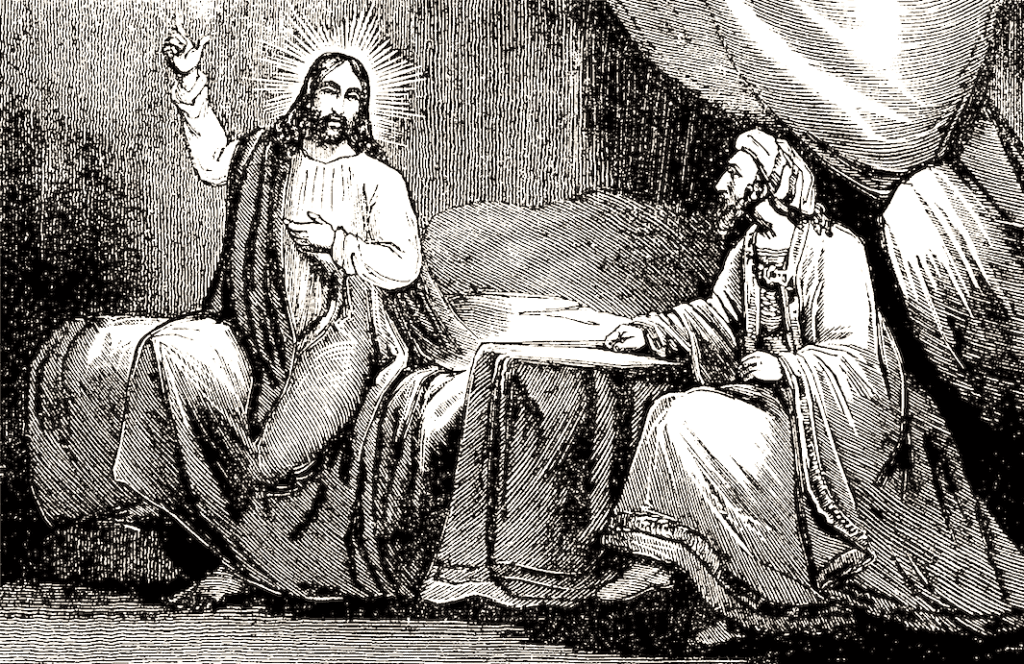
Have you ever wondered why the Gospel of Nicodemus isn’t included in the Bible? This ancient text, also known as the Acts of Pilate, provides a unique perspective on the events surrounding Jesus’ trial, crucifixion, and resurrection. While not canonized, exploring this gospel can offer valuable insights into early Christian beliefs and historical context.
In this blog post, we will delve into the reasons behind the exclusion of the Gospel of Nicodemus from the Bible and examine the significance of this text for our understanding of the life and teachings of Jesus. By uncovering the mysteries of this intriguing gospel, we can gain a deeper appreciation for the diverse range of early Christian writings and the complexities of biblical canonization. Join us on this journey of discovery as we explore the Gospel of Nicodemus and its impact on our interpretation of the New Testament narrative.
The Mystery Unveiled: Exploring the Exclusion of the Gospel of Nicodemus from the Bible
The Gospel of Nicodemus, also known as the Acts of Pilate, is a non-canonical gospel that dates back to the early Christian era. Despite its historical significance and popularity among some early Christian communities, it was not included in the final canon of the Bible for several reasons.
1. Origin and Authorship: The Gospel of Nicodemus is believed to have been written sometime between the 4th and 5th centuries AD, long after the established Gospels of Matthew, Mark, Luke, and John were written. Its authorship is unknown, which raised doubts about its authenticity and theological reliability.
2. Content and Themes: The Gospel of Nicodemus contains several accounts related to Jesus’ trial, crucifixion, and resurrection, focusing on Pontius Pilate, Joseph of Arimathea, and Nicodemus. It also includes a vivid description of Jesus descending into hell and freeing the souls of the righteous. While the text is intriguing and provides additional details not found in the canonical Gospels, its content differs significantly from the established narratives of the New Testament.
3. Theological Considerations: Early church leaders and theologians evaluated various texts before determining which ones would be included in the Bible. The Gospel of Nicodemus was scrutinized for theological accuracy and consistency with established Christian doctrine. Some aspects of the text, such as the Harrowing of Hell narrative, were deemed inconsistent with mainstream Christian beliefs and teachings.
4. Canonical Criteria: The process of selecting which books would be included in the Bible involved considerations of apostolic authorship, doctrinal consistency, widespread acceptance within the Christian community, and conformity to the overall message of the Scriptures. The Gospel of Nicodemus did not meet all of these criteria, leading to its exclusion from the canonical Bible.
5. Cultural and Historical Context: The decision to include certain texts in the Bible was influenced by cultural, political, and theological factors prevalent during the early centuries of Christianity. The Gospel of Nicodemus, while valued by some early Christian groups, did not gain universal acceptance or official recognition by the broader Christian community.
In conclusion, the Gospel of Nicodemus holds a unique place in early Christian literature, offering a different perspective on the events surrounding Jesus’ death and resurrection. However, due to concerns regarding its authorship, content, theological consistency, and canonical criteria, it was ultimately not included in the Bible as we know it today. Despite its exclusion, the Gospel of Nicodemus remains an intriguing and valuable historical document that sheds light on the diverse expressions of Christian faith in the ancient world.
Is the gospel of Nicodemus in the Bible?
The gospel of Nicodemus is not included in the Bible as part of the official canon of Scripture. It is considered an apocryphal work, meaning it is not recognized as inspired by most Christian denominations. The Gospel of Nicodemus is also known as the Acts of Pilate, and it is a series of texts that date back to the early centuries of Christianity. While it offers some interesting narratives related to events surrounding Jesus’ crucifixion and resurrection, it is not considered part of the authoritative Biblical texts.
Why was the gospel of Nicodemus removed?
The Gospel of Nicodemus, also known as the Acts of Pilate, is not considered part of the canon of the Bible. It was likely written in the 4th century AD and was later excluded from the official list of biblical texts because it was deemed to be apocryphal and lacking in authenticity compared to the recognized gospels. The Council of Laodicea in the 4th century and subsequent councils decided on the limits of the biblical canon, and the Gospel of Nicodemus did not meet the criteria for inclusion. Additionally, scholars have raised doubts about the authorship and historical accuracy of the text, further contributing to its exclusion from the Bible.
Is the gospel of Nicodemus a forgery?
The Gospel of Nicodemus is considered a forgery by scholars and theologians. It is not included in the canonical Bible, as it was not written by the biblical figure Nicodemus and is believed to have been composed much later than the original New Testament books. The Gospel of Nicodemus is classified as an apocryphal text, meaning it is not considered to be part of the inspired Word of God. It contains various legendary accounts and details about Jesus’ trial, crucifixion, and resurrection that are not found in the four Gospels of the Bible. While the Gospel of Nicodemus may provide some insights into early Christian beliefs and traditions, it is not considered authoritative or reliable by mainstream Christian denominations.
Why were 75 books removed from the Bible?
The removal of the 75 books from the Bible is a misconception. The Bible as we know it today is a collection of 66 books in Protestantism and 73 books in Catholicism. The difference in the number of books between Protestant and Catholic Bibles is mainly due to disagreements over the inclusion of certain texts known as the deuterocanonical books.
The deuterocanonical books are seven books and parts of two others that are included in the Catholic Old Testament but are not found in the Protestant Old Testament. These books are Tobit, Judith, Wisdom, Sirach, Baruch, 1 and 2 Maccabees, and parts of Esther and Daniel.
During the Protestant Reformation in the 16th century, Martin Luther and other reformers questioned the canonicity of these books, leading to their exclusion from Protestant Bibles. However, it’s important to note that these books were not “removed” from the Bible, but rather were never universally accepted by all Christian traditions.
Therefore, the difference in the number of books between different versions of the Bible is largely due to historical and theological disagreements over the canonicity of certain texts, rather than a deliberate removal of books.