
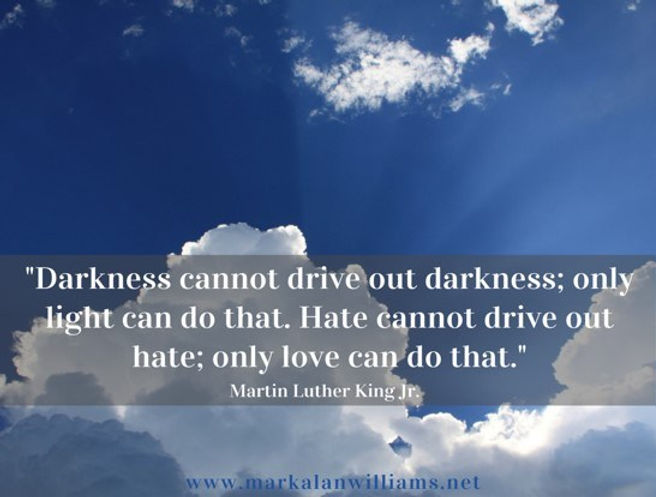
Have you ever felt consumed by hatred or bitterness towards someone? In times of conflict and turmoil, it can be easy to succumb to negative emotions. However, the Bible offers us a powerful reminder in the words of Martin Luther King Jr.: “Hate cannot drive out hate; only love can do that.” This profound statement reflects a fundamental truth that transcends time and resonates with the teachings of Jesus Christ.
In this blog post, we will delve into the implications of this Bible verse and explore how practicing love and forgiveness can bring healing and transformation in our relationships. By understanding the transformative power of love over hate, we can cultivate a spirit of reconciliation and unity, ultimately leading to a more peaceful and harmonious world. Join us on this journey as we discover the profound wisdom and guidance that the Bible provides on overcoming hatred with love.
Hate Cannot Drive Out Hate: Exploring the Profound Wisdom of a Bible Verse
The Bible verse that emphasizes the powerful message that hate cannot drive out hate is found in the New Testament, specifically in the Gospel of Matthew 5:43-45. This passage is part of the Sermon on the Mount, where Jesus delivers teachings that challenge conventional wisdom and call for a radical transformation in how we relate to others.
In Matthew 5:43-45, Jesus says: “You have heard that it was said, ‘Love your neighbor and hate your enemy.’ But I tell you, love your enemies and pray for those who persecute you, that you may be children of your Father in heaven. He causes his sun to rise on the evil and the good, and sends rain on the righteous and the unrighteous.”
This verse is a profound reminder of the transformative power of love and forgiveness in the face of hatred and animosity. By instructing his followers to love their enemies and pray for those who persecute them, Jesus challenges us to break the cycle of violence and retaliation. Rather than responding to hatred with more hatred, we are called to respond with love and compassion.
The key message of this verse is that true strength lies in choosing love over hate, forgiveness over revenge, and understanding over conflict. It reminds us that harboring hatred in our hearts only perpetuates suffering and division, while choosing love and forgiveness has the power to bring healing and reconciliation.
As children of God, we are called to emulate His boundless love and grace by extending the same love and compassion to our enemies. In doing so, we not only reflect the character of God but also participate in His redemptive work in the world.
In a world marked by division, conflict, and hostility, the message of “hate cannot drive out hate” serves as a timeless reminder of the transformative power of love and forgiveness. By embodying these virtues in our interactions with others, we contribute to the establishment of peace, reconciliation, and unity in a fractured world.
Who said hate cannot drive out hate only love can do that?
The quote “Hate cannot drive out hate; only love can do that” is famously attributed to Martin Luther King Jr., but it is not stated in the Bible.
What is the Bible verse Philippians 4:13?
The Bible verse Philippians 4:13 says: “I can do all things through Christ who strengthens me.“
What does the Bible say about hate?
The Bible warns against hate and teaches that it is not in line with God’s will. In 1 John 4:20, it says, “If anyone says, ‘I love God,’ yet hates his brother, he is a liar. For anyone who does not love his brother, whom he has seen, cannot love God, whom he has not seen.” Additionally, in Proverbs 10:12, it states, “Hatred stirs up conflict, but love covers over all wrongs.” Overall, the message of the Bible is clear: love should guide our actions and relationships rather than hate.
What are the 7 things I hate Bible verse?
The Bible verse that mentions seven things that are detestable or hateful to the Lord is found in Proverbs 6:16-19. It says:
“There are six things the Lord hates,
seven that are detestable to him:
haughty eyes,
a lying tongue,
hands that shed innocent blood,
a heart that devises wicked schemes,
feet that are quick to rush into evil,
a false witness who pours out lies,
and a person who stirs up conflict in the community.”
This passage highlights the importance of living a life that is pleasing to God by avoiding these detestable behaviors.