
Have you ever wondered what the Bible says about hurting a woman? In this blog post, we’ll explore a selection of Bible verses that shed light on this important topic. Understanding these verses can provide guidance and wisdom on how to treat women with respect and love, ultimately leading to stronger relationships and a deeper connection with God.
By delving into these powerful scriptures, we can gain insight into the value and dignity of women as depicted in the Bible. Discovering these verses can not only deepen our understanding of biblical teachings but also help us cultivate a mindset of compassion and empathy towards women in our lives. Join us as we explore these verses and reflect on how they can positively impact our relationships and interactions with women.
Biblical Perspectives on the Impact of Hurting Women: Exploring Sacred Verses
In the Bible, there are several verses that address the treatment of women and the importance of respecting and caring for them. One such verse can be found in Ephesians 5:25-33, where it talks about the relationship between a husband and wife.
The verse says, “Husbands, love your wives, just as Christ loved the church and gave himself up for her.” This powerful statement highlights the sacrificial and unconditional love that husbands are called to have for their wives, mirroring the love that Christ has for his church. It emphasizes the need for husbands to prioritize the well-being and happiness of their wives above all else, just as Christ prioritizes the church.
Additionally, in 1 Peter 3:7, it states, “Husbands, in the same way be considerate as you live with your wives, and treat them with respect as the weaker partner and as heirs with you of the gracious gift of life, so that nothing will hinder your prayers.” This verse emphasizes the importance of treating wives with kindness, consideration, and respect. It recognizes the unique partnership between husbands and wives, reminding husbands to cherish and honor their wives as equals before God.
Another important verse that addresses the treatment of women can be found in Colossians 3:19, which says, “Husbands, love your wives and do not be harsh with them.” This verse serves as a reminder for husbands to show love and gentleness towards their wives, avoiding any form of cruelty or harshness. It underscores the significance of nurturing a loving and caring relationship with one’s spouse, built on mutual respect and understanding.
Overall, these verses from the Bible emphasize the importance of treating women with love, respect, and kindness. They highlight the sacredness of marriage and the responsibility that husbands have in caring for and valuing their wives as cherished partners in life. By following these teachings, individuals can cultivate healthy and harmonious relationships based on mutual love and respect.
What does the Bible say when you hurt someone?
The Bible teaches us about the importance of seeking forgiveness when we hurt someone. In Matthew 5:23-24, Jesus says, “So if you are offering your gift at the altar and remember that your brother has something against you, leave your gift there before the altar and go. First be reconciled to your brother, and then come and offer your gift.” This verse emphasizes the need to make amends with others before approaching God in worship. Additionally, in Ephesians 4:32, it says “Be kind to one another, tenderhearted, forgiving one another, as God in Christ forgave you.” This reminds us to show kindness and forgiveness towards others, just as God has forgiven us through Christ.
What does the Bible say about a broken hearted woman?
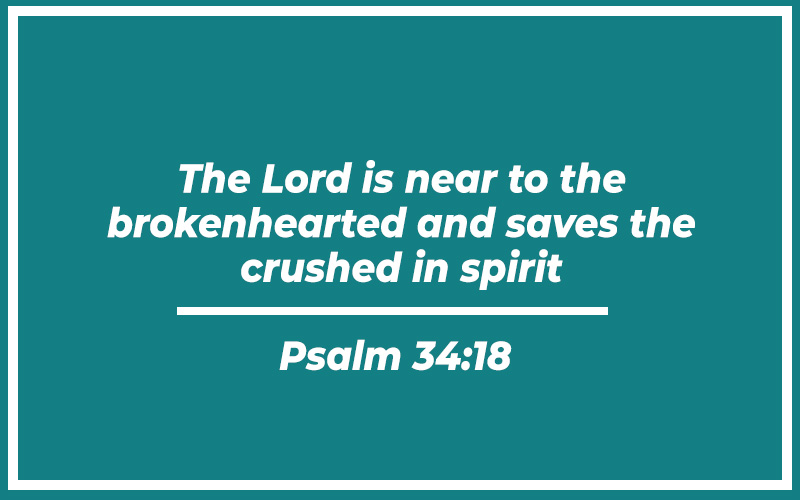
The Bible offers comfort and hope to the brokenhearted, including women who are experiencing heartache and pain. Psalm 34:18 says, “The Lord is close to the brokenhearted and saves those who are crushed in spirit.” In Isaiah 61:1, it is mentioned that God will bind up the brokenhearted and comfort all who mourn. These verses remind us that God is near to those who are hurting and that He offers healing and solace to those with broken hearts.
What does the Bible say about pain in relationships?
The Bible addresses pain in relationships in various passages. One important verse is 1 Peter 4:8, which says, “Above all, love each other deeply, because love covers over a multitude of sins.” This highlights the importance of love and forgiveness in dealing with relational pain.
Another significant passage is Ephesians 4:31-32, which states, “Get rid of all bitterness, rage and anger, brawling and slander, along with every form of malice. Be kind and compassionate to one another, forgiving each other, just as in Christ God forgave you.” This verse emphasizes the need to let go of negative emotions and practice forgiveness in relationships.
Additionally, Proverbs 15:1 offers valuable wisdom on handling conflicts in relationships: “A gentle answer turns away wrath, but a harsh word stirs up anger.” This verse encourages responding to others with kindness and understanding, even in times of pain or disagreement.
Overall, the Bible teaches that love, forgiveness, kindness, and compassion are essential in navigating the challenges of pain in relationships.
What does God say to do when people mistreat you?
In the Bible, God instructs believers on how to respond when they are mistreated. One key teaching comes from Matthew 5:39, where Jesus says, “But I tell you, do not resist an evil person. If anyone slaps you on the right cheek, turn to them the other cheek also.” This verse encourages forgiveness and turning the other cheek instead of seeking revenge or retaliation. Additionally, Romans 12:19-21 says, “Do not take revenge, my dear friends, but leave room for God’s wrath, for it is written: ‘It is mine to avenge; I will repay,’ says the Lord. On the contrary: ‘If your enemy is hungry, feed him; if he is thirsty, give him something to drink. In doing this, you will heap burning coals on his head.’ Do not be overcome by evil, but overcome evil with good.” These verses emphasize responding to mistreatment with love, forgiveness, and leaving justice in the hands of God.