
Have you ever wondered about the impact of leadership on a nation’s well-being? In the pages of the Bible, we find a diverse array of kings, some who ruled with wisdom and righteousness, while others succumbed to corruption and greed. In this blog post, we will explore the contrasting stories of good kings and bad kings in the Bible, and delve into the lessons we can glean from their reigns.
By studying the lives of these biblical monarchs, we can gain valuable insights into the qualities that make a leader effective and virtuous. Additionally, we can reflect on the consequences of poor leadership choices and the ripple effects they have on society. Join us on this journey through the scriptures as we uncover the powerful narratives of good kings and bad kings, and uncover the timeless truths that resonate with us today.
The Dichotomy of Leadership: Exploring Good Kings and Bad Kings in the Bible
In the Bible, there are numerous examples of both good and bad kings who ruled over ancient Israel. These kings played a significant role in shaping the history of the Israelites and influencing their relationship with God. Let’s delve into the stories of some of these monarchs:
Good Kings:
1. King David: King David is often regarded as one of the greatest kings in the Bible. He was known for his devotion to God, his military prowess, and his skill as a musician and poet. Despite his flaws and mistakes, such as his affair with Bathsheba, David always sought forgiveness and reconciliation with God.
2. King Solomon: Solomon, the son of David, is famous for his wisdom and wealth. During his reign, Israel experienced a period of peace and prosperity. However, Solomon’s accumulation of wealth and many wives led him away from God in his later years.
3. King Josiah: Josiah is remembered as a righteous king who initiated religious reforms in Judah. He rediscovered the Book of the Law in the temple and sought to bring the people back to following God’s commandments. Josiah’s commitment to God earned him favor in the eyes of the Lord.
Bad Kings:
1. King Ahab: Ahab is often portrayed as one of the most wicked kings in the Bible. He married the infamous Jezebel, who led him to worship Baal and forsake the worship of Yahweh. Ahab’s reign was marked by idolatry, injustice, and conflict with the prophets of God.
2. King Manasseh: Manasseh became king at a young age and ruled for 55 years, during which he led Judah into idolatry and wickedness. He built altars to foreign gods, practiced sorcery, and even sacrificed his own sons. Manasseh’s reign brought judgment upon the kingdom of Judah.
3. King Jeroboam: Jeroboam was the first king of the northern kingdom of Israel after the nation split into two. He set up golden calves for the people to worship, leading them into idolatry and causing them to stray from God’s commandments. Jeroboam’s actions resulted in the downfall of the northern kingdom.
These examples of good and bad kings in the Bible serve as lessons for us today on the importance of leadership, obedience to God, and the consequences of straying from His will. Their stories remind us of the impact that rulers can have on a nation and the need for righteous leadership that follows God’s ways.
Who was a good king in the Bible?
One of the good kings in the Bible was King David. He is often remembered for his faithfulness to God, his military victories, and his contributions to Israel’s prosperity. David is featured prominently in the Old Testament, particularly in the books of Samuel and Psalms.
How many good kings and bad kings are there in the Bible?
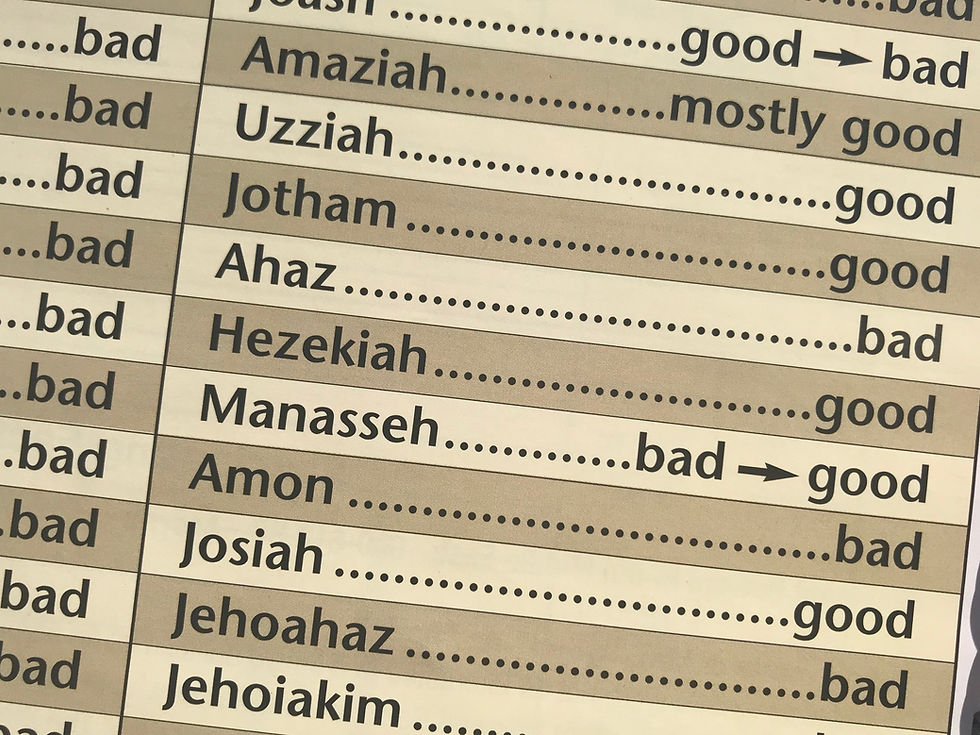
In the Bible, there were good kings and bad kings among the rulers of Israel and Judah. There were a total of eight good kings in Judah: Asa, Jehoshaphat, Joash, Amaziah, Uzziah, Jotham, Hezekiah, and Josiah. On the other hand, there were nineteen bad kings in Judah. In Israel, there were six good kings: Jehu, Jehoash, Jeroboam II, Menahem, Jotham, and Hezekiah. However, there were twenty bad kings in Israel. This illustrates the ongoing struggle between righteousness and unrighteousness in biblical leadership.
Who was a very bad king in the Bible?
One of the most famous bad kings in the Bible was King Ahab. He is described as doing more evil in the eyes of the Lord than any king before him. Ahab’s reign was marked by his marriage to Jezebel, a Phoenician princess who led him and the kingdom into idolatry and wickedness. The prophet Elijah often confronted Ahab for his disobedience to God. Ultimately, Ahab faced judgment for his actions, leading to his downfall and death.
What does the Bible say about good kings?
In the Bible, good kings are often described as those who follow and obey God’s commands, rule with justice and righteousness, and lead their people in accordance with God’s will. Examples of good kings in the Bible include King David, who was described as a man after God’s own heart (1 Samuel 13:14), and King Josiah, who led Judah in a revival of worship and obedience to God’s laws (2 Kings 23:25).
Proverbs 21:1 states, “The king’s heart is a stream of water in the hand of the Lord; he turns it wherever he will.” This verse highlights the importance of kings seeking God’s guidance and direction in their leadership.
Psalm 72:1-2 describes the characteristics of a good king, saying, “Give the king your justice, O God, and your righteousness to the royal son! May he judge your people with righteousness, and your poor with justice!”
Overall, the Bible emphasizes the importance of kings and rulers leading with integrity, humility, and a heart devoted to following God’s ways in order to bring blessings and prosperity to their kingdoms.