
Have you ever wanted to delve deeper into the Old Testament of the Bible but didn’t know where to start? In this blog post, we will provide a Catholic introduction to the Old Testament that will not only help you navigate its complexities but also deepen your understanding and appreciation of these sacred texts. Exploring the rich history, powerful stories, and enduring wisdom found within the Old Testament can truly be a transformative experience for any Catholic seeking to grow in their faith.
By gaining a better understanding of the Old Testament through a Catholic lens, you will be able to connect more deeply with the roots of your faith and uncover the profound theological truths that shape Catholic beliefs and practices. Whether you are a lifelong Catholic looking to deepen your spiritual journey or a curious seeker eager to explore the origins of Christianity, this blog post will serve as a valuable guide to navigating the rich tapestry of the Old Testament and discovering the timeless relevance of its teachings in our modern world. Get ready to embark on a journey of faith, knowledge, and inspiration as we delve into the beauty and significance of the Old Testament in Catholic theology.
Exploring the Rich Tapestry of the Old Testament: A Catholic Perspective
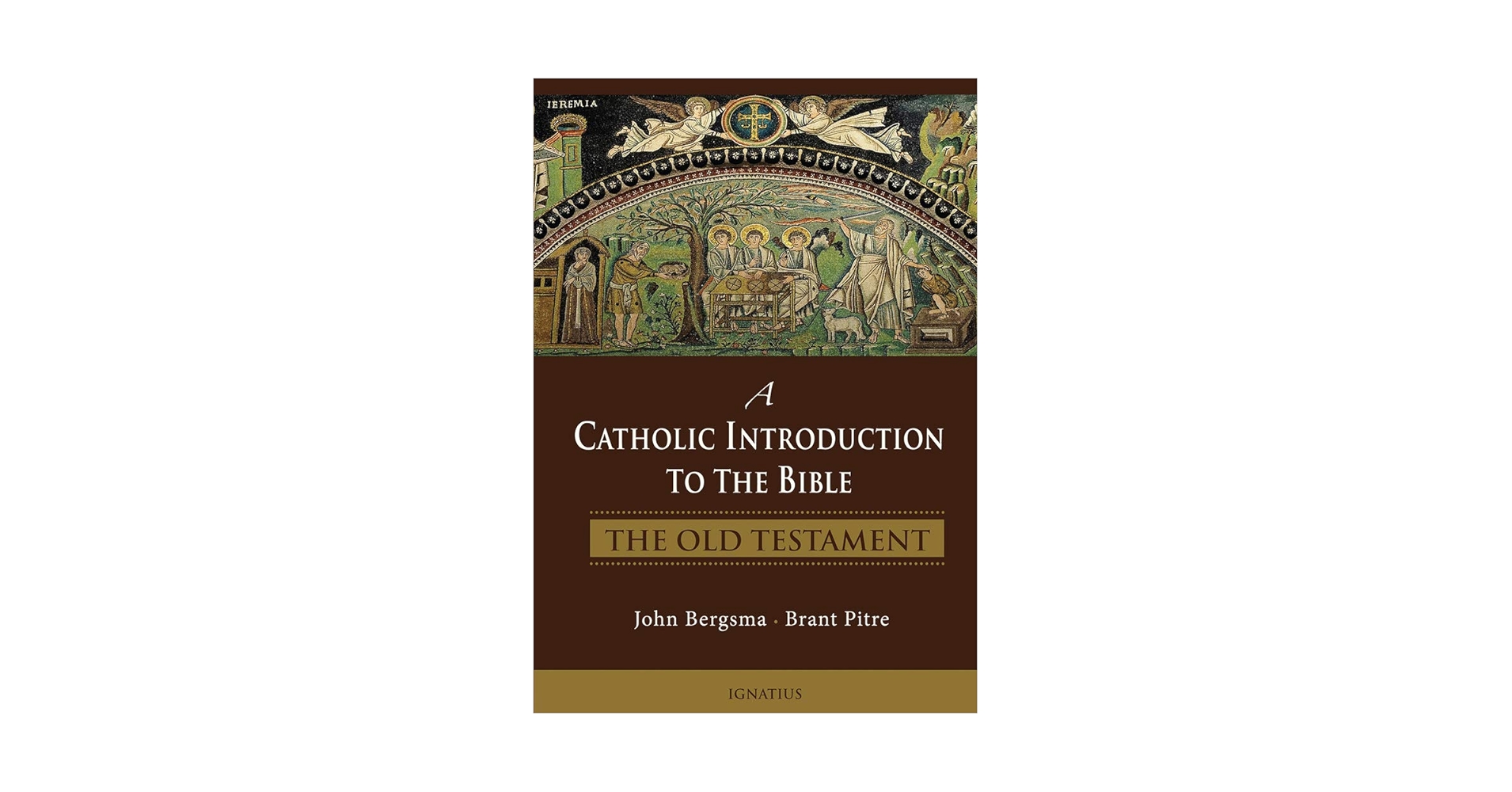
A Catholic Introduction to the Bible: The Old Testament
The Old Testament holds a sacred place in Catholic theology as it is considered the foundational text of the Christian faith. It is a collection of ancient religious writings that form the first part of the Christian Bible and are considered canonical by the Catholic Church. The Old Testament is divided into several sections, including the Pentateuch, Historical Books, Wisdom Literature, and Prophetic Books.
The Pentateuch, also known as the Torah, consists of the first five books of the Old Testament: Genesis, Exodus, Leviticus, Numbers, and Deuteronomy. These books are traditionally attributed to Moses and contain the foundational stories of the Jewish faith, including the creation of the world, the exodus from Egypt, and the giving of the Ten Commandments.
The Historical Books recount the history of the Israelites from their conquest of the Promised Land to the Babylonian exile. They include books such as Joshua, Judges, Samuel, and Kings, which detail the rise and fall of the Israelite monarchy and the prophetic warnings of the consequences of disobedience to God’s laws.
The Wisdom Literature includes books such as Job, Psalms, Proverbs, Ecclesiastes, and Song of Songs. These books explore themes of human suffering, divine providence, the pursuit of wisdom, and the joy of love. They offer practical guidance for living a righteous and fulfilling life according to God’s will.
The Prophetic Books contain the writings of the Hebrew prophets, who spoke on behalf of God to call the people of Israel to repentance and faithfulness. These books include major prophets like Isaiah, Jeremiah, and Ezekiel, as well as minor prophets like Amos, Hosea, and Micah. The prophecies contained in these books often foretell future events and offer hope for redemption and restoration.
Catholics interpret the Old Testament in light of the teachings of Jesus Christ and the New Testament. They see the Old Testament as pointing towards the coming of the Messiah and find fulfillment of many prophecies in the life, death, and resurrection of Jesus. The Old Testament provides important context for understanding the New Testament and the development of salvation history.
Studying the Old Testament is essential for Catholics to deepen their understanding of God’s covenant with His people, the moral and spiritual teachings contained in the Scriptures, and the rich tapestry of salvation history that unfolds throughout its pages. By delving into the stories, poetry, wisdom, and prophecies of the Old Testament, Catholics can grow in faith, knowledge, and love of God as they seek to live out their faith in the modern world.