
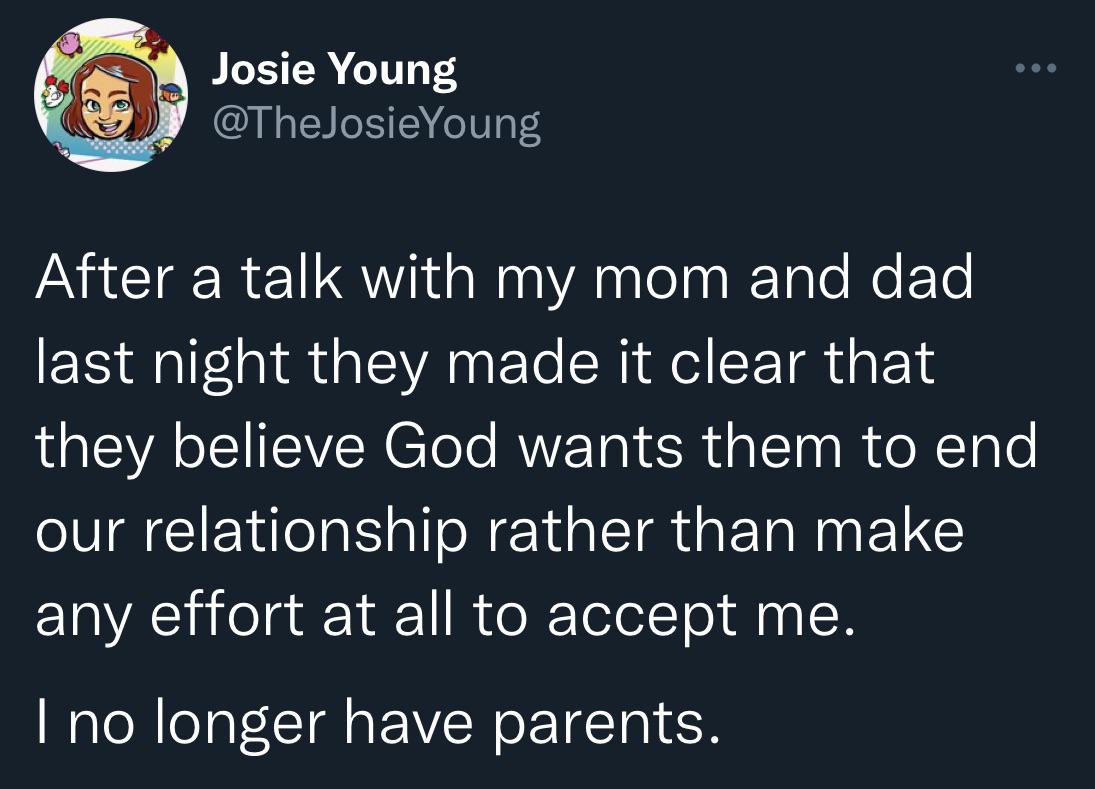
Have you ever wondered what the Bible has to say about disowning your parents? This complex topic is a crucial one to explore, as familial relationships are deeply significant in our lives. In this blog post, we will delve into the scriptures to understand the Biblical perspective on disowning parents and the spiritual implications of such actions.
By understanding what the Bible teaches about disowning parents, we can gain insight into how to navigate challenging family dynamics with grace and wisdom. Exploring this topic from a Biblical standpoint can provide us with valuable guidance on how to honor our parents while also setting healthy boundaries when necessary. Join us on this journey as we uncover the timeless truths and principles that the Bible offers on this sensitive subject.
Honoring family ties: Exploring the Bible’s perspective on disowning parents
Disowning one’s parents is a serious matter that goes against the fundamental teachings of the Bible. The Bible emphasizes the importance of honoring and respecting one’s parents, regardless of any disagreements or conflicts that may arise. In fact, the command to honor one’s parents is one of the Ten Commandments given by God to the Israelites.
Exodus 20:12 (NIV) states, “Honor your father and your mother, so that you may live long in the land the Lord your God is giving you.” This commandment is reiterated in the New Testament in Ephesians 6:2-3 (NIV), “Honor your father and mother—which is the first commandment with a promise—so that it may go well with you and that you may enjoy long life on the earth.”
The Bible also warns against the consequences of dishonoring or disowning one’s parents. Proverbs 20:20 (NIV) cautions, “If someone curses their father or mother, their lamp will be snuffed out in pitch darkness.” Similarly, Proverbs 30:17 (NIV) states, “The eye that mocks a father, that scorns an aged mother, will be pecked out by the ravens of the valley, will be eaten by the vultures.”
Jesus himself condemned the Pharisees for their hypocritical behavior towards their parents in Mark 7:9-13 (NIV). He rebuked them, saying, “You have a fine way of setting aside the commands of God in order to observe your own traditions. For Moses said, ‘Honor your father and mother,’ and, ‘Anyone who curses their father or mother is to be put to death.’ But you say that if anyone declares that what might have been used to help their father or mother is Corban (that is, devoted to God)—then you no longer let them do anything for their father or mother. Thus you nullify the word of God by your tradition that you have handed down. And you do many things like that.”
In light of these teachings, it is clear that disowning one’s parents is not in line with biblical principles. While there may be difficult circumstances that strain the relationship between parents and children, the Bible encourages reconciliation, forgiveness, and honoring one’s parents. It is important to seek God’s guidance and wisdom in how to navigate challenging family dynamics in a way that aligns with His will and reflects His love and grace.
What does God say about disowning parents?
In the Bible, God does not explicitly address the topic of disowning parents. However, in terms of honoring parents, the Bible does emphasize the importance of honoring your father and mother. This commandment is found in Exodus 20:12 (NIV), which states, “Honor your father and your mother, so that you may live long in the land the Lord your God is giving you.” Additionally, in the New Testament, Jesus reinforces this commandment in Mark 7:10-12 (NIV) when he says, “For Moses said, ‘Honor your father and mother,’ and, ‘Anyone who curses their father or mother is to be put to death.’ But you say that if anyone declares that what might have been used to help their father or mother is Corban (that is, devoted to God)—then you no longer let them do anything for their father or mother.” While there may be circumstances where a person may need to distance themselves from toxic or abusive parents for their own well-being, it is important to approach such situations with grace, forgiveness, and seeking guidance through prayer and wise counsel.
What does the Bible say about abandoning your parents?
The Bible teaches us the importance of honoring our parents. Ephesians 6:2-3 states, “Honor your father and mother”—which is the first commandment with a promise—”so that it may go well with you and that you may enjoy long life on the earth.”
In Exodus 20:12, one of the Ten Commandments given by God to Moses, it says, “Honor your father and your mother, so that you may live long in the land the Lord your God is giving you.”
Abandoning or neglecting our parents goes against these teachings on honoring them. 1 Timothy 5:8 also emphasizes the importance of caring for our families, saying, “Anyone who does not provide for their relatives, and especially for their own household, has denied the faith and is worse than an unbeliever.”
While there may be situations where maintaining a relationship with one’s parents is difficult or even harmful, it is important to seek guidance from God and strive to honor them in ways that align with His teachings.
What does the Bible say about hating your parents?
In the Bible, Jesus teaches about the importance of honoring one’s parents in several passages. In Matthew 15:4-6 (NIV), Jesus quotes the commandment to “honor your father and mother” from the Old Testament. In Ephesians 6:2-3 (NIV), the Apostle Paul also reiterates this commandment, stating that it is the first commandment with a promise.
However, Jesus also addresses the issue of hating one’s parents in Luke 14:26 (NIV), where He says, “If anyone comes to me and does not hate father and mother, wife and children, brothers and sisters—yes, even their own life—such a person cannot be my disciple.” This statement is not meant to be taken literally as advocating for hatred towards one’s family, but rather emphasizes the need for wholehearted commitment to following Christ above all other relationships.
In summary, while the Bible stresses the importance of honoring and respecting one’s parents, it also emphasizes the priority of following Jesus with complete devotion.
Is it biblical to disinherit a child?
In the Bible, there is no specific commandment that addresses the issue of disinheriting a child. However, there are principles and teachings that can guide us in making such decisions.
Proverbs 13:22 says, “A good man leaves an inheritance to his children’s children, but the sinner’s wealth is laid up for the righteous.” This verse emphasizes the importance of leaving an inheritance for future generations.
On the other hand, Matthew 25:14-30 tells the Parable of the Talents, where a master entrusts his servants with talents (money) according to their abilities. The servant who buried his talent and did not use it wisely was reprimanded by the master. This can be interpreted as a lesson on stewardship and responsibility with the resources we are given.
Ultimately, the decision to disinherit a child should be made prayerfully and with careful consideration of all the circumstances involved. It is important to seek wisdom and guidance from God, seeking reconciliation and forgiveness where possible.