
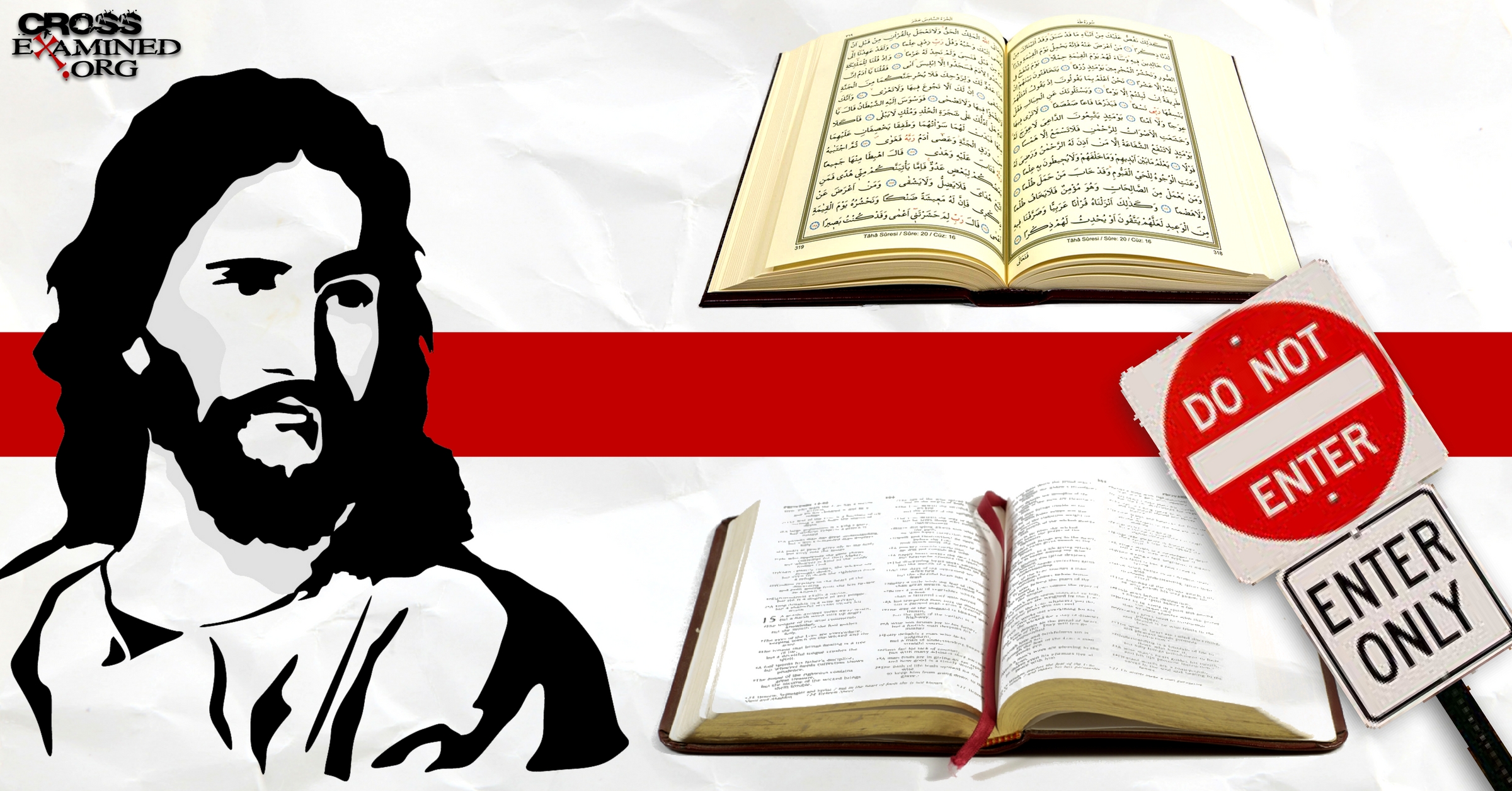
Have you ever wondered about the differences and contradictions between the Bible and the Quran? In this blog post, we will delve into some of the key points of contention between these two religious texts, shedding light on important theological divergences and historical debates. Understanding these discrepancies can provide valuable insights into the distinct perspectives and beliefs held by Christians and Muslims, ultimately fostering greater interfaith dialogue and mutual understanding.
Exploring the contradictions between the Bible and the Quran can serve as a catalyst for deeper reflection and critical thinking regarding matters of faith and spirituality. By examining these discrepancies with an open mind and a respectful attitude, we can cultivate a more nuanced appreciation for the complexities of religious interpretation and the diversity of human belief systems. Join us on this illuminating journey as we navigate the intricate intersections of scripture, theology, and culture, seeking to enrich our own perspectives and bridge the gaps between different traditions.
Theological Discrepancies: Exploring Conflicting Narratives in the Bible and the Quran
Contradictions Between the Bible and the Quran
The Bible and the Quran are two of the most influential religious texts in the world, shaping the beliefs and practices of billions of people. While there are some similarities between the two texts, there are also significant contradictions that have led to centuries of debate and disagreement among scholars and believers.
One of the most fundamental contradictions between the Bible and the Quran is their theological teachings. For example, the Bible teaches the concept of the Trinity, which holds that God is one being in three persons: the Father, the Son (Jesus Christ), and the Holy Spirit. This concept is central to Christian theology but is rejected by Islam, which emphasizes the oneness of God without any partners or associates.
Another major contradiction between the two texts is their portrayal of key figures such as Jesus and Abraham. In the Bible, Jesus is depicted as the Son of God who was crucified for the sins of humanity and rose from the dead, while the Quran denies both the crucifixion and the divinity of Jesus, instead presenting him as a prophet of God. Similarly, the stories of Abraham in the Bible and the Quran differ in important details, such as the identity of the son whom Abraham was commanded to sacrifice.
In terms of moral teachings, the Bible and the Quran also present conflicting messages on certain issues. For example, while the Bible allows for the taking of multiple wives and concubines in the Old Testament, the Quran restricts Muslim men to marrying up to four wives under specific conditions. Similarly, the Bible and the Quran have differing views on violence and warfare, with some passages in each text seeming to condone or even command military action.
Overall, the contradictions between the Bible and the Quran reflect the divergent beliefs and practices of Christianity and Islam, two of the world’s major religions. These differences have fueled debates and discussions among scholars and theologians for centuries, highlighting the complexities of interpreting and understanding sacred texts in different cultural and historical contexts.
What is the conflict between the Bible and the Quran?
The conflict between the Bible and the Quran arises from their differences in teachings, beliefs, and interpretations.
The key areas of conflict include:
1. Authority: Christians believe that the Bible is the inspired word of God and the ultimate authority in matters of faith and practice. In contrast, Muslims believe that the Quran is the literal word of God as revealed to the Prophet Muhammad.
2. Teachings about Jesus: The Bible portrays Jesus Christ as the Son of God and the savior of humanity, while the Quran considers Jesus as a prophet and denies his divinity.
3. Salvation: The Bible teaches that salvation comes through faith in Jesus Christ, while the Quran emphasizes obedience to Allah and good deeds for salvation.
4. Scriptural contradictions: There are differences between the Bible and the Quran regarding various historical events, personalities, and theological doctrines, leading to conflicting views on important religious matters.
Overall, the conflict between the Bible and the Quran is rooted in their divergent theological perspectives and teachings, which have shaped the beliefs and practices of Christianity and Islam respectively.
What did Jesus say in the Quran?
In the context of the Bible, Jesus is not quoted in the Quran as extensively as in the New Testament. However, there are a few instances where Jesus is mentioned in the Quran.
One of the key passages about Jesus in the Quran is in Surah Al-Imran (3:45-55), where the angel Gabriel informs Mary that she will give birth to Jesus. In this passage, Jesus is known as the “Word of God” and a “Spirit proceeding from God.”
Additionally, in Surah Al-Ma’idah (5:110), there is a mention of Jesus performing miracles such as healing the blind and lepers with God’s permission.
Another important aspect in the Quran regarding Jesus is the denial of his crucifixion, as mentioned in Surah An-Nisa (4:157-158). The Quran states that Jesus was not crucified but was raised up to God.
Overall, while the Quran does not quote Jesus extensively, it presents him as a significant prophet and messenger of God with miraculous abilities.
What are the main differences between the Quran and the Bible?
The main differences between the Quran and the Bible are:
1. Textual Content: The Quran is considered by Muslims to be the literal word of God as revealed to the Prophet Muhammad, whereas the Bible is a collection of texts written by multiple authors over centuries, including the Old Testament and the New Testament.
2. Divine Authority: Muslims believe that the Quran is the ultimate authority and final revelation from God, while Christians view the Bible as inspired by God but interpret its teachings through the lens of Jesus Christ.
3. Language: The Quran is primarily in classical Arabic, while the Bible has been translated into numerous languages, with different versions and interpretations across denominations.
4. Prophets: Both the Quran and the Bible mention some of the same prophets, such as Adam, Noah, Abraham, Moses, and Jesus, but the details and narratives about these prophets can differ between the two scriptures.
5. Teachings: While there are similarities in moral teachings and stories between the two texts, there are also significant theological differences, such as the nature of God, the concept of salvation, and the role of Jesus Christ.
6. Scriptural Authority: The Quran emphasizes its own preservation and protection from alteration, whereas the Bible has undergone revisions, translations, and interpretations throughout history.
7. Salvation: The Quran teaches salvation through faith and good deeds, while the Bible presents varying views on salvation, including through faith in Jesus Christ for Christians.
Overall, while both the Quran and the Bible share some commonalities, they also have distinct differences in terms of textual content, divine authority, language, prophets, teachings, scriptural authority, and views on salvation.
What is the contradictory verse of the Quran?
There is no specific verse in the Bible that directly contradicts a verse in the Quran. The Bible and the Quran are two separate religious texts with different teachings and beliefs. However, there are theological differences between Christianity and Islam, which can lead to differing interpretations of certain concepts and teachings. It’s important to approach discussions about religious texts with respect and understanding of these differences.