
Have you ever wondered what fellowship truly means in the context of the Bible? In this blog post, we will explore various examples of fellowship found throughout the Scriptures and reflect on the profound benefits it brings to our spiritual lives. Fellowship is more than just gathering with like-minded individuals; it is about experiencing the love, support, and unity that comes from a shared faith in God.
From the early Christian communities in Acts to the letters of Paul encouraging believers to support one another, the Bible is filled with rich examples of fellowship. Through these stories, we can learn valuable lessons about the importance of coming together in faith, lifting each other up in times of need, and growing spiritually through community. Join us as we delve into the beautiful tapestry of fellowship woven throughout the pages of Scripture and discover how it can enrich our relationship with God and with one another.
Fostering Fellowship: Exploration of Biblical Instances of Community and Connection
Fellowship is a key concept in the Bible that refers to a deep, authentic community and relationship with God and others. Throughout the Bible, we see numerous examples of fellowship that demonstrate the importance of coming together in faith, love, and support. These examples serve as powerful reminders of the beauty and significance of fellowship in the Christian faith.
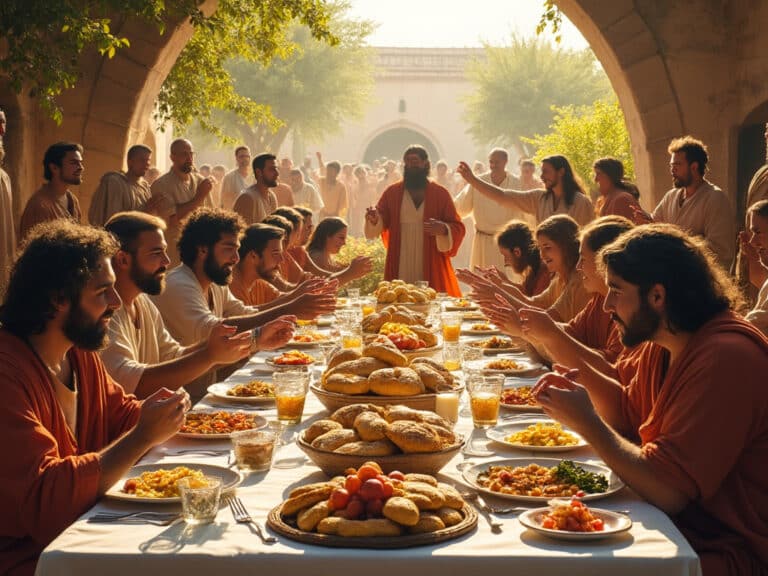
One of the most well-known examples of fellowship in the Bible is found in the book of Acts, specifically in Acts 2:42-47. This passage describes the early Christian community in Jerusalem, where believers devoted themselves to the apostles’ teaching, fellowship, breaking of bread, and prayer. They shared everything they had, cared for one another, and worshiped together daily. This deep sense of community and fellowship among the early Christians exemplifies the unity and love that should characterize the body of Christ.
Another compelling example of fellowship in the Bible is seen in the relationship between David and Jonathan. In 1 Samuel 18-20, we read about the deep bond of friendship and fellowship between these two men. Despite challenges and obstacles, their loyalty, love, and support for one another remained unwavering. Their relationship serves as a powerful reminder of the strength and blessing of true fellowship in our lives.
Furthermore, the New Testament epistles also provide valuable insights into the importance of fellowship within the church. In passages like Romans 12:9-13 and Hebrews 10:24-25, we are encouraged to love one another, show hospitality, and meet together regularly for mutual encouragement and support. These exhortations highlight the role of fellowship in building up and strengthening the body of Christ.
Additionally, the life of Jesus Christ serves as the ultimate example of fellowship. Jesus consistently modeled authentic community, welcoming all people, sharing meals with sinners, and cultivating deep relationships with His disciples. His ministry exemplified the power of fellowship in transforming lives and spreading the message of hope and redemption.
Overall, the Bible is replete with examples of fellowship that underscore the importance of community, love, and support in the Christian walk. Whether through the early church, friendships like David and Jonathan, or the example of Jesus Himself, we are called to embrace and cultivate fellowship in our own lives, deepening our relationships with God and one another. Through fellowship, we experience the richness of unity, the joy of shared faith, and the strength of mutual encouragement on our spiritual journey.
What are some examples of fellowship in the Bible?
In the Bible, there are several examples of fellowship among believers. One prominent example is found in Acts 2:42-47, where it describes the early Christian community in Jerusalem. It says that they devoted themselves to the apostles’ teaching and to fellowship, to the breaking of bread, and to prayer. This passage highlights the importance of fellowship as a core aspect of the early church’s life.
Another example of fellowship can be seen in 1 John 1:7, which states, “But if we walk in the light, as he is in the light, we have fellowship with one another, and the blood of Jesus, his Son, purifies us from all sin.” This verse emphasizes the connection between walking in the light, having fellowship with other believers, and experiencing the cleansing power of Jesus’ sacrifice.
Additionally, in Hebrews 10:24-25, believers are encouraged to “And let us consider how we may spur one another on toward love and good deeds, not giving up meeting together, as some are in the habit of doing, but encouraging one another—and all the more as you see the Day approaching.” This passage underscores the importance of fellowship in strengthening and supporting fellow believers.
Overall, these examples illustrate the significance of fellowship in the Christian faith as a means of community, mutual support, encouragement, and spiritual growth.
Which book in the Bible talks about fellowship?
The book in the Bible that talks extensively about fellowship is 1 John. In this epistle, the apostle John emphasizes the importance of loving one another and living in community as believers. The theme of fellowship is woven throughout the book, highlighting the bond that Christians share with one another and with God.
What does fellowship mean biblically?
Fellowship in the biblical context refers to a close relationship or partnership among believers who share a common faith in God. It involves community, unity, and mutual support as they gather together to worship, study the Bible, pray, and encourage one another in their spiritual journey. Fellowship is also about sharing life together, including joys, sorrows, and needs, as outlined in passages such as Acts 2:42-47 and Hebrews 10:24-25. Ultimately, biblical fellowship is rooted in Christ-centered relationships that reflect the love and grace of God.
Who fellowships with God in the Bible?
In the Bible, those who fellowship with God are typically depicted as individuals who have a close and intimate relationship with Him. This includes figures such as Moses, Abraham, David, Elijah, Paul, and Jesus, among others. These individuals often spend time in prayer, worship, and obedience to God, seeking His guidance and direction in their lives. Fellowship with God involves communion with Him, walking in His ways, and experiencing His presence in a deep and personal way. It is a relationship marked by trust, love, and devotion.