
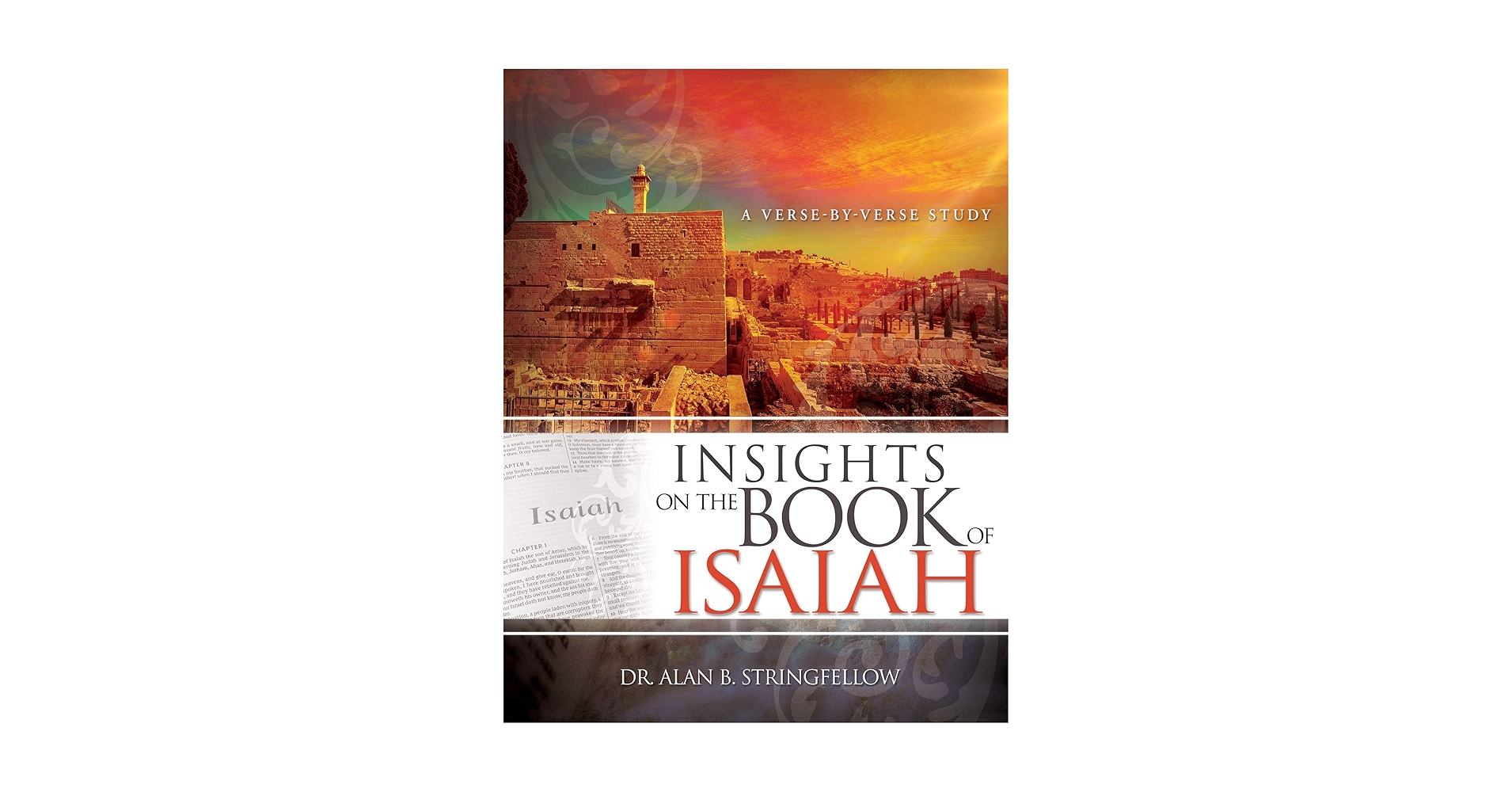
Have you ever wanted to dive deep into the prophetic and poetic writings of the Book of Isaiah? Join us on a transformative journey as we explore the profound messages within each verse of this compelling book in our Bible study series, “The Book of Isaiah Bible Study Verse by Verse.” Throughout this insightful study, we will unpack the powerful themes, prophecies, and promises found in the pages of Isaiah, providing you with a deeper understanding of this essential Old Testament text.
By engaging in this verse-by-verse study of the Book of Isaiah, you will gain valuable insights into the historical context, cultural significance, and theological depth of the prophet’s words. Through reflection and discussion, you will discover how the timeless truths of Isaiah’s message can be applied to your life today, offering wisdom, encouragement, and hope in every chapter. Join us as we embark on this enriching exploration of the Book of Isaiah and allow its verses to illuminate your path towards spiritual growth and deeper intimacy with God.
Exploring the Depth of The Book of Isaiah: A Verse by Verse Bible Study
The Book of Isaiah is a profound and transformative text in the Bible that consists of 66 chapters and is often referred to as the “Fifth Gospel” due to its rich portrayal of the Messiah and the vivid imagery used by the prophet Isaiah. This Bible study will delve into the verses of Isaiah chapter by chapter, exploring the powerful messages and prophecies contained within.
Chapter 1 – The Call to Repentance
In the opening chapter of Isaiah, the prophet calls upon the people of Judah and Jerusalem to repent and turn back to God. He emphasizes the importance of true worship and righteous living, condemning the superficiality of their religious practices. Isaiah warns of the consequences of disobedience but also offers hope for restoration if they return to God wholeheartedly.
Chapter 2 – The Mountain of the Lord
Isaiah envisions a future where all nations will stream to the mountain of the Lord, seeking His guidance and instruction. This chapter speaks of a time of universal peace and harmony when weapons will be turned into tools for agriculture, symbolizing a world free from conflict and division under the reign of God.
Chapter 3 – Judgment on Judah and Jerusalem
In this chapter, Isaiah prophesies about the coming judgment on the people of Judah and Jerusalem due to their arrogance, materialism, and injustice. He denounces their oppressive leaders and warns of impending destruction and captivity. Despite the bleak outlook, Isaiah also holds out hope for a remnant that will remain faithful to God.
Chapter 4 – The Branch of the Lord
Isaiah introduces the concept of the Branch of the Lord, a symbol of the Messiah who will bring renewal and restoration to the land. This chapter foretells a day when God’s glory will overshadow His people, providing a shelter and refuge for all who seek Him. The imagery of beauty arising from the ashes signifies the transformation and redemption that the Branch will bring.
Chapter 5 – The Song of the Vineyard
Isaiah presents a parable of a vineyard owned by God, which represents the people of Israel. Despite God’s care and cultivation, the vineyard yields wild grapes, signifying their rebellion and unfaithfulness. This chapter serves as a warning of the judgment that will come upon those who reject God’s ways and oppress the vulnerable.
Chapter 6 – Isaiah’s Vision of the Lord
Isaiah recounts his vision of the Lord seated on a throne, surrounded by seraphim proclaiming His holiness. Overwhelmed by his own unworthiness, Isaiah is cleansed by a burning coal and commissioned to be a messenger for God. This chapter highlights the majesty and sovereignty of God, as well as the call to humble obedience and willingness to serve Him.
Chapter 7 – The Sign of Immanuel
Isaiah gives a prophecy of a virgin conceiving and giving birth to a son named Immanuel, meaning ‘God with us’. This miraculous sign serves as a reassurance to King Ahaz of Judah during a time of political turmoil and invasion threats. The fulfillment of this prophecy in the birth of Jesus Christ underscores the divine plan of salvation for all humanity.
This Bible study of the Book of Isaiah verse by verse provides a glimpse into the timeless truths and prophecies that continue to resonate with believers today. Through its themes of repentance, judgment, redemption, and hope, Isaiah invites readers to reflect on their relationship with God and embrace His promise of ultimate restoration and salvation.
What is the key verse of the book of Isaiah?
The key verse of the book of Isaiah is found in Isaiah 53:5: “But he was pierced for our transgressions, he was crushed for our iniquities; the punishment that brought us peace was on him, and by his wounds we are healed.”
What is the main lesson of the book of Isaiah?
The main lesson of the book of Isaiah is the promise of redemption and restoration through faithfulness to God. Throughout the book, Isaiah emphasizes the importance of trusting in God’s sovereignty and following His will. The prophet also warns against idolatry, injustice, and disobedience, all of which lead to destruction and exile. Ultimately, Isaiah conveys the message of hope and salvation for those who remain faithful to God, highlighting the grace and mercy of God towards His people.
What is the main point of the book of Isaiah?
The main point of the book of Isaiah is to convey God’s message of judgment and redemption to the people of Israel. Isaiah contains prophecies about the consequences of disobedience and idolatry, as well as promises of restoration and hope for the future. The prophet Isaiah calls the people to repentance and obedience to God’s laws, while also offering encouragement in the midst of trials. Ultimately, the book of Isaiah emphasizes the sovereignty and faithfulness of God throughout history.
What does the book of Isaiah teach us today?
The book of Isaiah teaches us several valuable lessons that are still relevant today.
1. Trust in God: Isaiah emphasizes the importance of trusting in God’s sovereignty and having faith in His promises, even when circumstances seem bleak.
2. Justice and righteousness: Isaiah condemns social injustice, oppression, and hypocrisy, and calls for justice, righteousness, and compassion towards others.
3. Repentance and forgiveness: The prophet urges people to repent of their sins and turn back to God, who is always ready to forgive and restore.
4. Hope and redemption: Despite the warnings of judgment, Isaiah also offers hope of redemption and restoration, pointing towards the ultimate fulfillment of God’s plan for His people.
5. Messiah: Isaiah prophesies about the coming of the Messiah, who will bring salvation and establish God’s kingdom on earth.
Overall, the book of Isaiah serves as a reminder of God’s faithfulness, mercy, and redemptive plan for humanity, calling us to live in accordance with His will and trust in His promises.