Have you ever heard of the Spirit of Mammon mentioned in the Bible? In this blog post, we will explore the significance of this spiritual concept and how it can impact our lives today. Understanding the Spirit of Mammon can help us recognize and overcome the temptations of materialism and greed that often hinder our relationship with God.
Through delving into biblical passages that mention the Spirit of Mammon, we will uncover valuable insights on how to cultivate a healthier perspective on wealth and possessions. By gaining a deeper understanding of this concept, we can learn to prioritize spiritual values over material pursuits and experience true fulfillment in our lives. Join us as we embark on a journey to explore the teachings of the Bible and discover how the Spirit of Mammon can guide us towards a more meaningful and purposeful existence.
The Influence of the Spirit of Mammon: Exploring its Biblical Significance
The concept of the Spirit of Mammon in the Bible is rooted in the teachings of Jesus Christ, particularly in the Gospel of Matthew. Mammon is a term that refers to wealth, material possessions, or money, and the Spirit of Mammon symbolizes the negative influence these things can have on a person’s life and spiritual well-being.
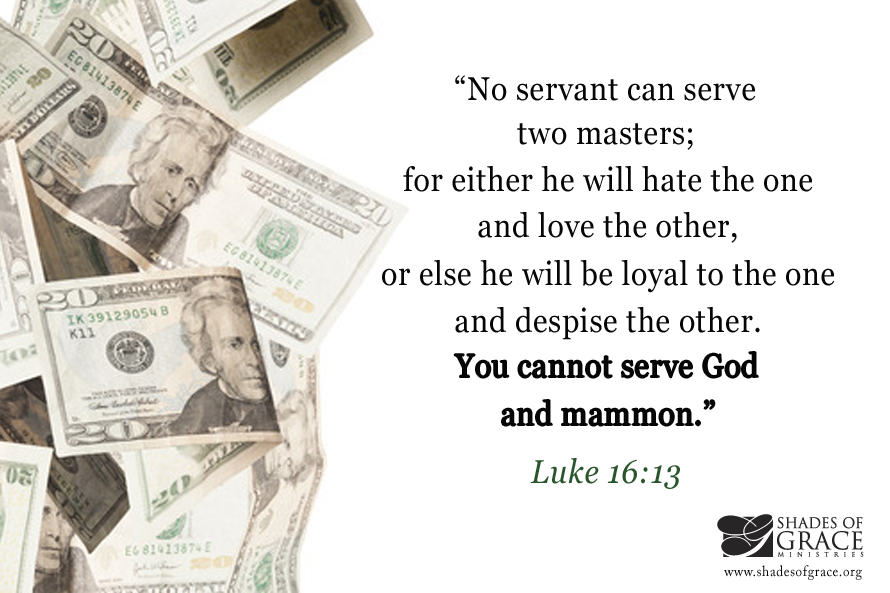
In Matthew 6:24, Jesus states, “No one can serve two masters. Either you will hate the one and love the other, or you will be devoted to the one and despise the other. You cannot serve both God and money.” This verse highlights the inherent conflict between serving God and being consumed by the pursuit of wealth. The Spirit of Mammon represents the temptation to prioritize material gain over spiritual growth and faithfulness to God.
Throughout the Bible, there are warnings against the dangers of covetousness, greed, and the love of money. First Timothy 6:10 famously declares, “For the love of money is a root of all kinds of evil. Some people, eager for money, have wandered from the faith and pierced themselves with many griefs.” This passage underscores the destructive power that the Spirit of Mammon can have on an individual’s relationship with God and others.
In the story of the rich young ruler (Matthew 19:16-30), Jesus challenges a wealthy man to sell his possessions and follow Him. The man’s attachment to his wealth prevents him from fully committing to Jesus, illustrating how the Spirit of Mammon can hinder one’s ability to embrace the teachings of Christ and experience true spiritual freedom.
Ultimately, the Spirit of Mammon represents a spiritual obstacle that can lead individuals away from God and prevent them from living a life characterized by selflessness, generosity, and faith. By recognizing the dangers of being enslaved by the pursuit of wealth and prioritizing God’s kingdom above material possessions, believers can guard their hearts against the lure of Mammon and align themselves with the values of the Kingdom of God.
What is the meaning of spirit of mammon?
The term “spirit of mammon” refers to the negative spiritual influence or control that material wealth, greed, and the love of money can have over a person’s life. In the context of the Bible, the phrase is often used to describe the temptation and allure of worldly possessions that can lead individuals away from God and corrupt their values.
The Bible warns against serving both God and money, emphasizing the importance of prioritizing spiritual wealth over material riches. In Matthew 6:24, Jesus states, “No one can serve two masters. Either you will hate the one and love the other, or you will be devoted to the one and despise the other. You cannot serve both God and money.”
The spirit of mammon represents the spiritual forces behind the pursuit of wealth and possessions at the expense of one’s relationship with God. It highlights the danger of allowing money to become an idol in one’s life, leading to greed, selfishness, and a lack of concern for others.
Ultimately, the concept serves as a reminder to prioritize spiritual values, generosity, and faithfulness to God over the temporary rewards and temptations of material wealth.
What are the symptoms of the spirit of mammon?
The spirit of mammon is often associated with a love for money and material wealth above all else. Symptoms of the spirit of mammon may include greed, selfishness, dishonesty, and a lack of generosity. Those influenced by the spirit of mammon may prioritize money and possessions over relationships, spiritual growth, and helping others in need. It can lead to a spiritual emptiness and a sense of never having enough, no matter how much one accumulates. In the Bible, Jesus warns against serving both God and mammon, emphasizing the importance of placing our trust and value in God rather than material wealth.
What does mammon mean biblically?
In the Bible, mammon refers to material wealth or possessions that are viewed as a dangerous rival to God. The term is derived from an Aramaic word that means “wealth” or “riches.” In the New Testament, Jesus warns against serving mammon alongside God, emphasizing the importance of prioritizing spiritual values over material possessions. The concept of mammon serves as a symbolic representation of earthly temptations that can lead people away from spiritual truths and virtues.
How do you overcome the spirit of mammon?
Overcoming the spirit of mammon, as referenced in the Bible, involves recognizing the temptation and influence that material wealth and possessions can have on our lives. One key way to overcome this spirit is by prioritizing our relationship with God over the pursuit of wealth.
Prayer and fasting can help one refocus their priorities and seek spiritual fulfillment rather than material gain. Additionally, generosity and giving are important principles in addressing the spirit of mammon. By being willing to give sacrificially and serve others, we can combat the hold that the love of money may have on us.
Furthermore, studying and meditating on biblical teachings about money and possessions can provide guidance on how to steward our resources wisely and in alignment with God’s will. Ultimately, by surrendering our desires for wealth to God and trusting in His provision, we can overcome the spirit of mammon and live a life of faith and contentment.